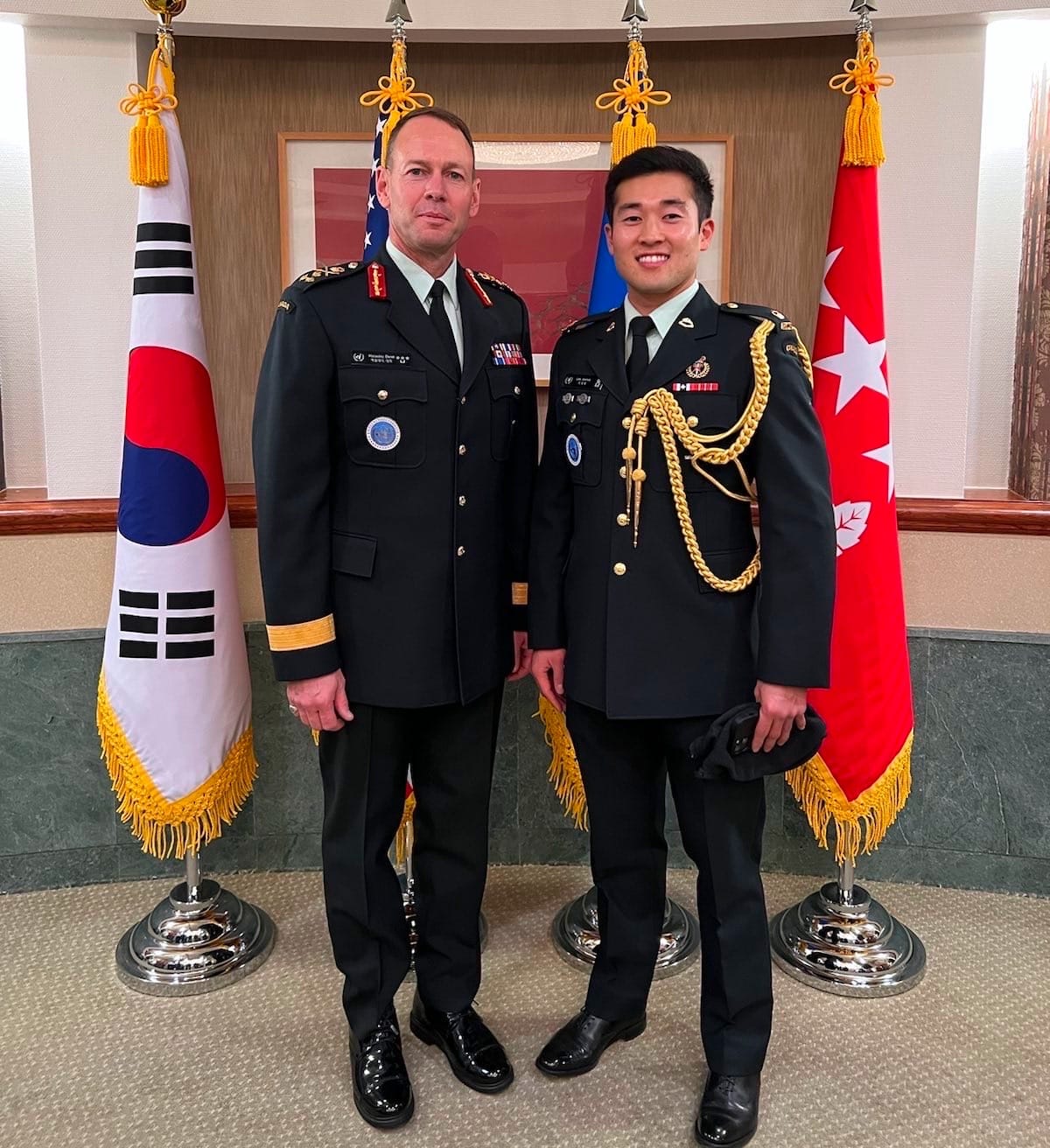
Major Jaemok Lee, a Royal Military College of Canada (RMC) graduate and Combat Engineer Officer, currently serves as the Military Assistant to the Deputy Commander of United Nations Command (UNC) in Korea. In this unique role, Maj Lee is at the heart of high-level multinational engagement — coordinating senior leader engagements, supporting UNC’s 18 Member States, and helping enable strategic-level dialogue on the Korean Peninsula.
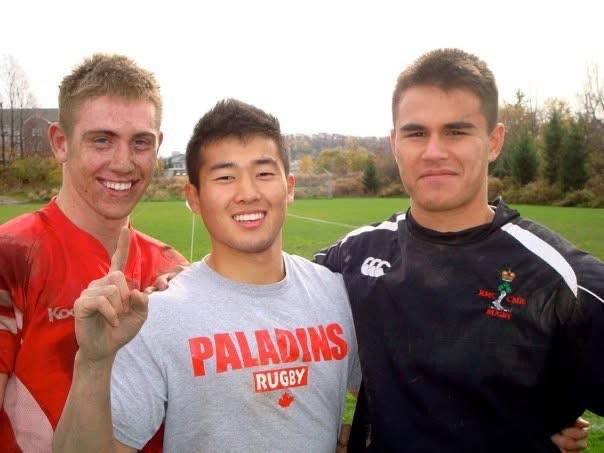
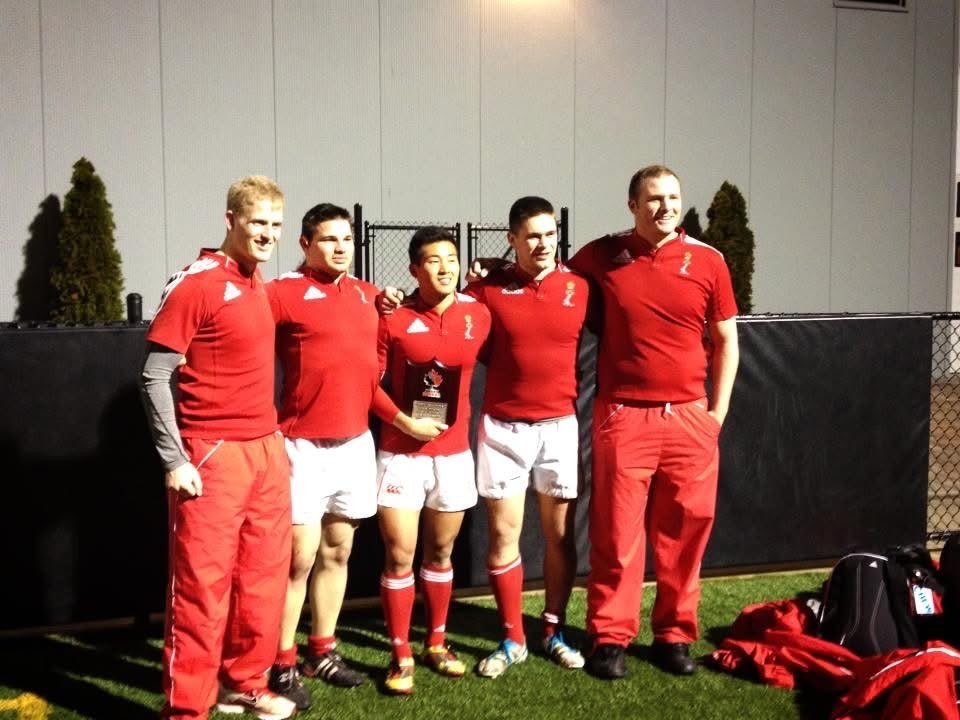
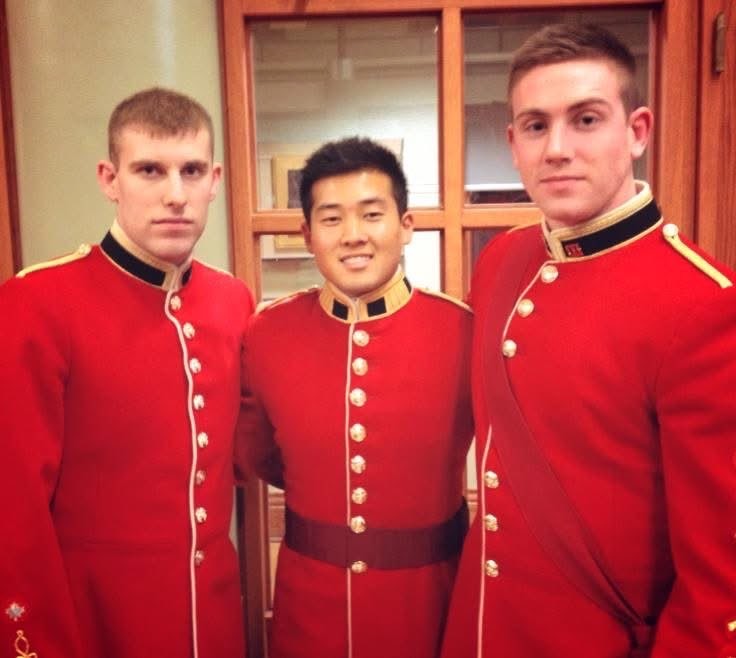
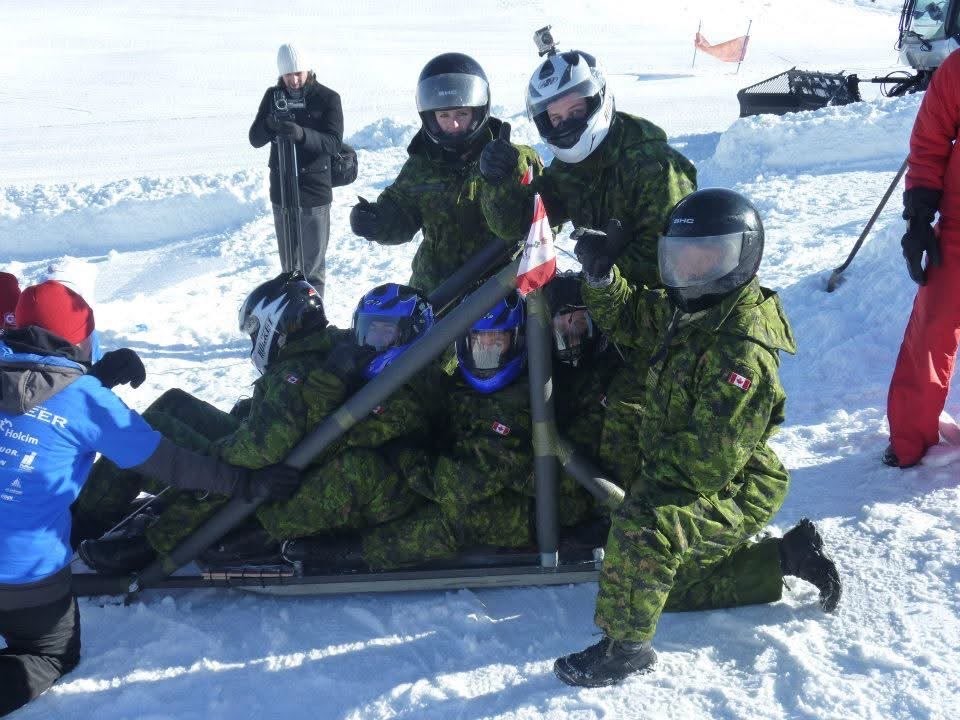
As a proud graduate of RMC, Class of 2013, Maj Lee reflects on his time in 8 Squadron, where he completed a Bachelor of Civil Engineering while balancing the demands of the Men’s Varsity Rugby and Soccer teams. He also served as FYOP staff and later as Cadet Squadron Leader, experiences that challenged him to lead under pressure. “Some of the most formative moments of my life happened at RMC,” he shares. “Whether it was grinding through long nights in the labs with classmates, battling it out on the rugby pitch or soccer field with teammates, or facing key leadership challenges, those hardships forged resilience and brought us closer together. They made me a better officer and a better person.”
RMC Foundations
It was RMC — and the high demands of the Four Pillars across four years — that built the foundation for how I adapt today to the high tempo and complexity of operations in Korea. Balancing academics, athletics, bilingualism, and leadership wasn’t just a requirement; it was a constant challenge in learning how to juggle competing priorities without letting any of them drop.
That ability to manage stress, stay disciplined, and find balance directly carries over into my current role in a multinational headquarters, where the pace is relentless and the demands come from every direction. At RMC, I learned that success wasn’t about excelling in just one area, but about finding a way to give each pillar the attention it deserved. That mindset — resilience, adaptability, and balance — continues to guide me in navigating the challenges of international service. I would also attribute enduring growth to my coaches, professors, squadron commanders and the senior graduates for providing close mentorship and leadership throughout the four years.
Life and Service in Korea
In Korea, my daily responsibilities are diverse and fast-paced. United Nations Command is a unique U.S.-led, multinational four-star headquarters that has maintained and enforced the Korean Armistice Agreement since 1953. The current Deputy Commander is a Canadian Lieutenant-General, and as his Military Assistant, I am placed at the center of multinational engagement on the peninsula. My work involves planning and executing high-level engagements with ambassadors, ministers, and senior allied military leaders; coordinating with United Nations Command’s eighteen member states; and supporting major combined exercises alongside our U.S. and Republic of Korea counterparts. No two days are alike, and I am constantly required to adapt, anticipate, and manage multiple priorities.
My Korean heritage has been a distinct advantage in this environment. It allows me to bridge language and cultural barriers with our Korean counterparts, while my experience as an immigrant growing up in Canada provides me with a broader understanding of cultural nuances in a multinational headquarters. This dual perspective has enabled me to operate more effectively across diverse settings, building trust and strengthening relationships in ways that contribute to mission success.
Serving abroad has brought unique challenges. Navigating cultural expectations, managing language differences, and balancing Canada’s perspective within a complex multinational framework have tested me in ways that are very different from postings at home. At the same time, the rewards are immense. Representing Canada on the international stage, contributing to regional stability, and building enduring relationships.
Reflections on RMC Memories
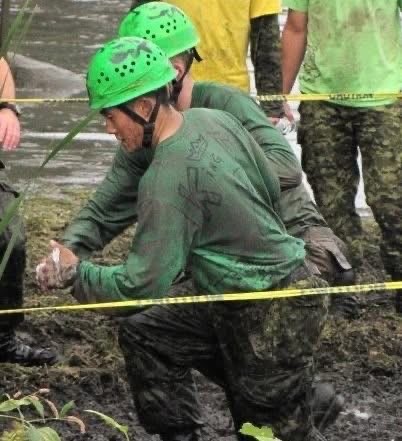
Some of my fondest memories of RMC are less about the formal milestones and more about the moments of camaraderie and laughter with friends. During my very first rugby practice in first year, one of my best friends Rick Spiller managed to break my finger. I spent the entirety of FYOP in a cast, which made even the simplest tasks nearly impossible under the constant time restraints and pressure. Thankfully, my other best friend and roommate, Colin Carswell, was there to carry me through — literally. He made my bed, tied my boots, and even helped me through the obstacle course.
Those kinds of moments not only carried me through the early days of RMC but also built friendships that have lasted to this day. Colin, Rick, I and others are still best mates, we connect regularly, and we recently reunited at a friend’s wedding — proof that the bonds built at RMC endure well beyond graduation.
Connecting Past and Present
The influence of RMC on the officer I have become is unmistakable. The Four Pillars instilled in me the discipline to manage competing priorities, the resilience to face adversity, and the perspective to appreciate the bigger picture in complex environments. That discipline, in particular, has stayed with me to this day — from early morning PT sessions before work to establishing routines and sticking to them — it remains the foundation for both my professional effectiveness and personal growth.
My background has also shaped the way I operate. As someone of Korean descent who grew up in Canada, I have learned to move between cultures from an early age. At RMC, this translated into adapting to the demands of a bilingual, diverse environment; in Korea, it allows me to bridge cultural and linguistic divides while also appreciating the nuances of a multinational headquarters. That dual perspective — grounded in both my RMC training and my personal experience — has been one of my greatest strengths in service abroad.
I believe every officer is unique, shaped by their cultural background, upbringing, and life experiences. Bringing that forward, being genuine, and embracing who you are is not only important, but essential. Those personal traits help define the kind of leader you become, and when combined with the discipline and resilience fostered at RMC, they allow you to serve with authenticity and strength.
To today’s cadets, I would emphasize the importance of embracing the challenge. The moments that seem most difficult are the ones that prepare you for the realities of service, particularly abroad. By leaning into hardship and refusing to shy away from responsibility, you build the resilience and adaptability needed to succeed as a leader.
Closing Thoughts
The RMC alumni community is an enduring strength of our institution. Knowing that I am part of a network that spans generations and continents is both reassuring and inspiring. Alumni connections have provided mentorship, guidance, and friendship throughout my career, and I look forward to contributing to that community for years to come.
As I look ahead, my next chapter will take me to the United States Army Command and General Staff Officer Course at Fort Leavenworth, and I hope to continue on to the School of Advanced Military Studies. The journey of learning and growth never truly ends, and I am grateful for the foundation that RMC provided — one that continues to guide me, whether in Canada, Korea, or beyond.
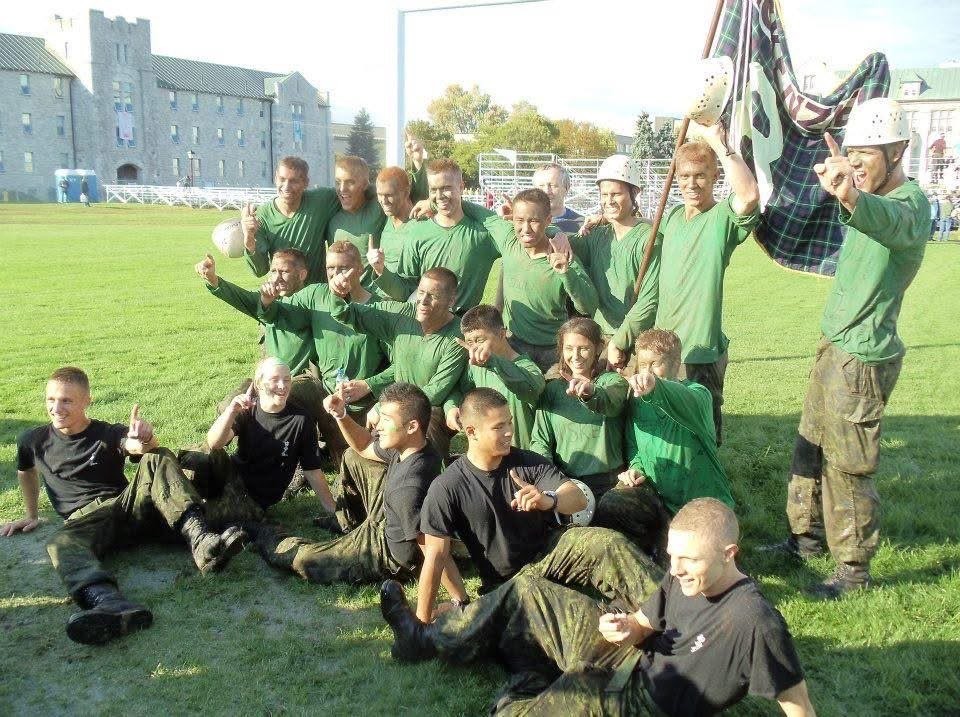



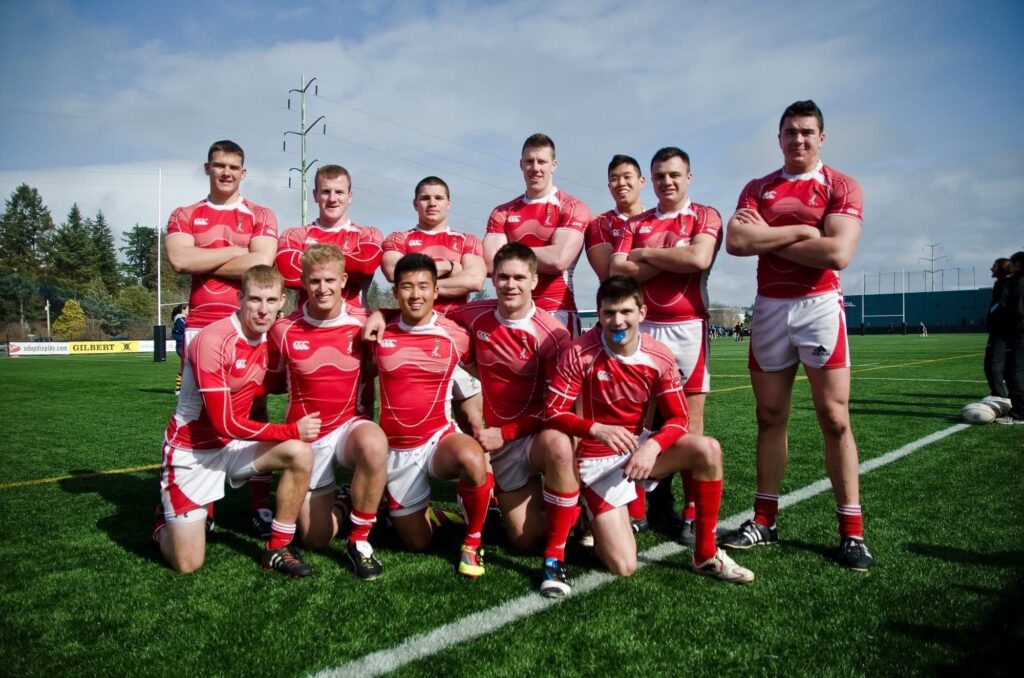
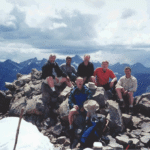
Bottom Row: Colin Carswell, Rick Spiller, Jaemok Lee, Riley Saliken, Spencer McLeod.




Rachael says:
Congrats Jaemok! So impressive!
December 10, 2025 — 9:51 am